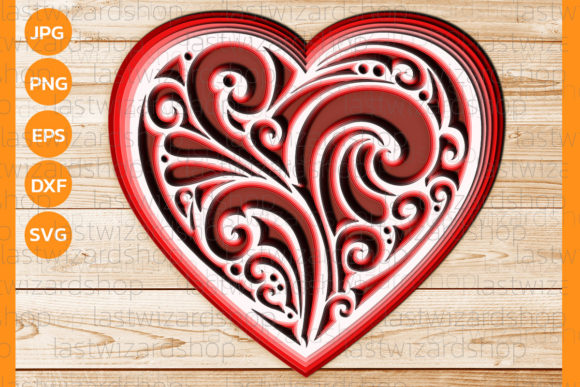
Reviewing the 3D Layered Heart Mandala for Embroidery
As a designer who has spent years translating digital vectors into tangible thread, I approach every new machine embroidery design with a mix of curiosity and skepticism. We have all been there: you download a file that looks stunning on the screen, only to find it turns into a puckered mess or an indistinguishable blob once it hits the fabric. Recently, I took a close look at the 3D Layered Heart Svg, Mandala Valentine. While this asset is often marketed broadly across Crafts and cutting machine communities, my focus was strictly on its viability for high-quality stitching. Does this intricate mandala heart hold up under the needle, or is it purely a paper-craft concept? Here is my practical assessment for fellow embroidery designers, Etsy sellers, and makers.
First Impressions: Visual Complexity and Mood
The immediate appeal of the 3D Layered Heart Svg, Mandala Valentine lies in its geometric precision. It is not just a simple heart outline; it is a structured composition of concentric layers that create a sense of depth. In the realm of Graphics, this "3D" effect is achieved through overlapping shapes. For embroidery, this presents both an opportunity and a challenge. The mood is romantic but modern, moving away from cliché cupids toward a sophisticated, bohemian aesthetic. This visual personality makes it highly versatile. It feels appropriate for adult apparel just as much as it does for nursery decor. The symmetry of the mandala ensures that the eye is drawn to the center, which is crucial when you are working with limited hoop space.
Real-World Application: From Digital File to Finished Product
To truly test the value of this design, I imagined it in several common commercial scenarios. Let’s consider a custom tote bag design. A canvas tote provides a stable, medium-weight foundation. If I were stitching the 3D Layered Heart Svg, Mandala Valentine here, the layered effect could be beautifully realized using varying thread colors. By shifting from a deep crimson in the center to a soft blush on the outer rings, the "3D" aspect becomes tactile rather than just visual. This approach elevates a standard handmade product into something that feels boutique-quality.
Another strong candidate is sweatshirt embroidery. Here, the design serves as a focal point on the chest or back. However, the texture of fleece or French terry requires careful planning. The intricate lines of the mandala must be thick enough to not get lost in the fabric pile. If the original file is optimized for cutting machines like Cricut or Silhouette, the lines might be too thin for embroidery. I would recommend scaling the design up significantly for apparel to ensure the satin stitch or fill stitch elements have enough surface area to cover the fabric properly without sinking in.
For those creating baby embroidery items, such as a onesie or a burp cloth, the softness of the design is a major plus. However, baby skin is sensitive, and the back of the embroidery must be clean. A complex mandala can result in a dense network of jumps and trims on the reverse side. Using a high-quality cut-away stabilizer is non-negotiable here to prevent irritation and maintain shape after repeated washing.
Technical Considerations for Stitching Success
When evaluating any digital embroidery file, we must look beyond the pretty preview image. The term "3D Layered" in the title suggests depth, but in embroidery, depth is created by stitch type and color contrast, not actual elevation unless you are using foam (which is rare for fine mandalas). If you are converting this SVG or DXF into an embroidery format yourself, you need to pay attention to stitch density.
Mandalas are notorious for having tight corners and small details. If the design includes tiny triangular points or intricate inner rings, these areas are prone to thread breaks or bird’s nests if the stitch count is too high for the area. I advise running a test stitch-out on scrap fabric that matches your final project. Check if the running stitch outlines are sufficient to define the edges, or if you need to convert certain layers to satin stitches for better definition.
Fabric choice plays a pivotal role. On dark fabrics, the contrast of light threads can make the mandala pop, but you must ensure the underlying fabric does not show through gaps in the stitching. On stretchy fabrics like jersey, the tension of the embroidery can cause the garment to warp. In these cases, using a stabilizer that matches the stretch of the fabric is critical. For curved surfaces like caps, the rigid geometry of a mandala might distort if not hooped perfectly straight. I would caution against using this specific design on highly curved areas unless you have advanced digitizing skills to adjust for pull compensation.
Commercial Viability and Brand Consistency
For small shop products and craft business owners, consistency is key. The 3D Layered Heart Svg, Mandala Valentine offers a distinct style that can help build brand recognition. It fits well within the "boho-chic" or "modern romantic" niches that perform well on platforms like Etsy. When creating printable mockup images for your online store, ensure that the digital representation matches the stitched reality. Misleading customers with overly perfect digital renders can lead to returns and negative reviews.
This design also works well for personalized gift markets. Imagine combining this mandala heart with a monogram in the center. The symmetrical nature of the design frames text beautifully. However, be mindful of licensing. Just because a file is labeled as an SVG for cutting does not automatically grant rights for commercial embroidery sales. Always verify the license terms included with the design assets. If the creator specifies it is for personal use only, you must contact them for a commercial license before selling finished items.
Practical Designer Notes
Before you commit to a large production run or a high-stakes client project, keep these practical tips in mind:
- Test on Scrap First: Never stitch a complex mandala directly on your final garment. Use the same fabric and stabilizer combination to check for registration issues.
- Check Thread Contrast: The "layered" effect relies on color differentiation. Use a color chart to plan a gradient that enhances the 3D illusion.
- Inspect Small Details: Zoom in on the digital file. Are the innermost details too small for your needle size? If so, simplify or enlarge the design.
- Verify File Formats: Ensure you have the correct embroidery file format (PES, DST, JEF, etc.) for your machine. SVG and DXF are vector formats for cutting, not stitching, unless you are using software to auto-digitize them.
- Consider Washability: If the item is a kitchen towel or apron, ensure the stitch density is not so high that it creates a stiff, uncomfortable patch that cracks after washing.
Final Verdict
The 3D Layered Heart Svg, Mandala Valentine is a visually striking asset that, with proper technical adjustment, can translate into beautiful embroidered pieces. It is not a "plug-and-play" solution for every fabric or hoop size, but for the thoughtful designer, it offers a rich canvas for creativity. Whether you are creating holiday embroidery for Valentine’s Day collections or adding a touch of elegance to everyday custom apparel, this design holds promise. The key lies in respecting the limitations of the medium—thread and fabric—and adapting the digital precision of the mandala to the organic nature of embroidery. With the right stabilizer, thread choices, and testing protocol, this design can become a standout piece in your portfolio.