Unicorn 3D Paper Cut SVG Review
As a designer who spends half my life digitizing patterns and the other half stitching them out, I have developed a specific eye for what translates well from screen to fabric. When I first encountered the Unicorn 3d Layer Paper Cut SVG Bundle, my initial reaction was one of cautious curiosity. The "paper cut" aesthetic is trending heavily in the world of Crafts and digital design, but translating that layered, shadow-box look into embroidery requires a keen understanding of density and thread behavior. This review breaks down how this bundle performs when moved from a digital asset to a tangible, stitched reality.
First Impressions: Mood and Visual Personality
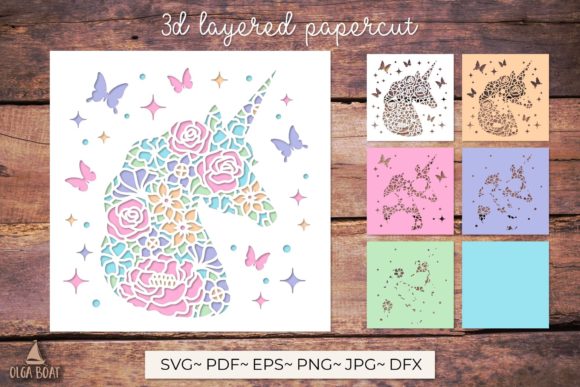
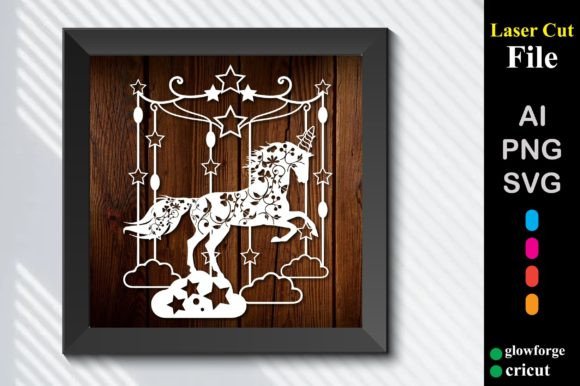
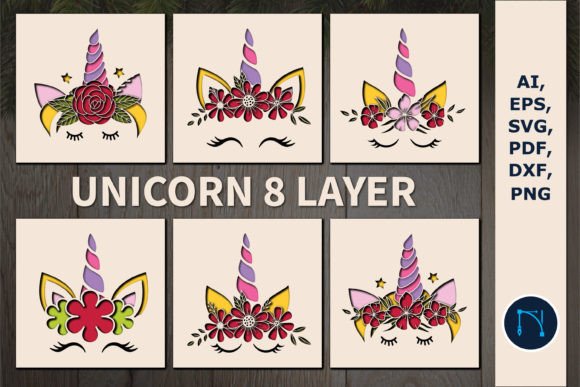
The immediate appeal of this design lies in its whimsical yet structured geometry. Unlike traditional free-hand unicorn illustrations that rely on soft curves and gradients, this Graphics package utilizes sharp angles and distinct layers to create depth. For an embroidery designer, this is both a challenge and an opportunity. The mood is playful but modern, making it suitable for a wider demographic than just toddlers. It feels boutique-ready, fitting seamlessly into a brand identity that values clean lines and contemporary folklore.
When evaluating the layout, I look for balance. Does the design feel top-heavy? Are the details too cramped? In this bundle, the separation between layers is generally clear, which is crucial for embroidery. If the layers were too close together, we would risk thread bunching or the loss of definition between colors. The visual personality suggests a product that is meant to be seen and touched, inviting the viewer to appreciate the texture of the stitches as much as the image itself.
Real-World Application: From File to Finished Product
To truly test the viability of the Unicorn 3d Layer Paper Cut SVG Bundle, I imagined a specific client project: a custom embroidered tote bag for a local bookstore’s children’s section. The goal was to create a handmade product that felt durable enough for daily use but special enough to be a personalized gift.
In this scenario, the design’s layered approach works exceptionally well. By assigning different thread weights or stitch types to each "layer" of the paper cut effect, you can mimic the shadowed depth of the original digital art. For the background layers, a flat fill stitch provides a solid base, while the foreground elements can be highlighted with a slightly denser satin or fill combination to make them pop. This technique transforms a flat embroidery file into a textured piece of art.
Beyond tote bags, this design shines in sweatshirt embroidery. The sturdy fabric of a cotton blend hoodie supports the weight of the stitches required to render the multiple layers. It also serves as an excellent tote bag design because the geometric nature of the unicorn holds up well against the canvas texture, preventing the image from getting lost in the weave of the fabric.
Navigating Technical Challenges in Embroidery
While the aesthetic is strong, practical application requires careful planning. The term "3D layer" in digital design often implies overlapping shapes that create shadows. In embroidery, we cannot simply overlap threads indefinitely without causing bulk. Here is where the designer’s judgment comes into play.
Stitch density is the primary concern. If you attempt to stitch every single layer at full density, the result will be stiff and potentially puckered, especially on lighter fabrics. I recommend reducing the density of the background layers and using a lighter weight thread if possible. This maintains the visual hierarchy without turning your embroidered patch into a cardboard-like slab.
Fabric choice is equally critical. This design is not ideal for thin, stretchy materials like rayon jersey unless you are using a very robust stabilizer and perhaps treating it more like an applique. For baby embroidery projects, such as onesies, I would advise simplifying the number of layers or increasing the size significantly to ensure the details do not become lost or irritating to sensitive skin. On curved surfaces like caps, the rigid geometry of the paper cut style might distort if the hoop tension is not perfectly managed. Always test on scrap fabric first to gauge how the design pulls on the material.
Commercial Viability for Etsy Sellers and Makers
For Etsy sellers and small shop owners, the versatility of this bundle is a major asset. The inclusion of multiple file formats—SVG, PNG, DXF, AI, EPS, and PDF—means you are not limited to embroidery. You can use the same design assets to create printable mockups, vinyl decals, or laser-cut paper crafts. This cross-platform utility allows for consistent branding across different product lines.
However, before listing any finished product, you must verify the licensing terms. While the bundle provides the files, commercial use rights for physical goods versus digital resale can vary. Assuming standard commercial license terms for physical items, this design is a strong contender for holiday embroidery collections, particularly for Easter or birthday-themed items. The unicorn motif is evergreen, but the modern paper-cut style gives it a fresh edge that stands out in a saturated market.
Customer trust is built on quality. A poorly stitched, bulky design can damage a brand’s reputation. By taking the time to adjust the thread colors for optimal contrast and ensuring the hoop size is appropriate for the design dimensions, you elevate the perceived value of the item. A crisp, well-defined unicorn looks professional; a muddy, overlapped one looks amateur. The difference lies in the preparation.
Practical Designer Notes for Best Results
To get the most out of the Unicorn 3d Layer Paper Cut SVG Bundle, consider these technical steps before hitting the start button on your machine:
- Test on Scrap Fabric: Always run a test stitch-out on the same type of fabric you intend to use for the final product. This reveals issues with tension and density.
- Check Thread Contrast: The "paper cut" effect relies on visual separation. Ensure your thread colors have enough contrast to distinguish the layers. Subtle shades may blend together, losing the 3D effect.
- Review Stitch Density: Manually adjust the density in your digitizing software if you have the skills, or select a lower density preset if available. Less is often more when dealing with layered designs.
- Confirm Hoop Size: Ensure your hoop is large enough to accommodate the design without re-hooping, which can cause alignment issues in multi-layer designs.
- Inspect Small Details: Zoom in on the digital file. Are there tiny corners or narrow paths that might cause thread breaks? Simplify these areas if necessary.
- Mockup in Black and White: Convert the design to grayscale in your preview software. If the layers are indistinguishable in black and white, they will likely lack definition in color too.
- Use Proper Stabilizer: For multi-layer designs, a cut-away stabilizer is often safer than tear-away, providing ongoing support for the weight of the stitches.
Final Verdict
The Unicorn 3d Layer Paper Cut SVG Bundle is a compelling resource for designers who understand the nuances of translating digital layers into textile art. It is not a plug-and-play solution for beginners who ignore fabric properties, but for the thoughtful maker, it offers a unique aesthetic that bridges the gap between digital Graphics and tactile Crafts. Whether you are creating custom apparel, nursery decor, or small shop product lines, this design rewards attention to detail with a high-quality, professional finish. Just remember to respect the mechanics of the machine, and the results will speak for themselves.