Reviewing the Mandala Light Box Shadowbox Design
As a designer who has spent countless hours digitizing and testing embroidery patterns, I approach every new machine embroidery design with a mix of curiosity and caution. We have all been there: you download a file that looks stunning on the screen, only to find it puckers the fabric or loses its charm once the needle hits the cloth. Recently, I evaluated the Mandala Light Box Shadowbox, a piece marketed under the Shadow Boxes category and available as a 3D SVG. While the product description hints at its use for home decor and gifting, my focus was strictly on how this design translates into tangible, high-quality stitched products for real-world applications.
First Impressions: Mood and Visual Personality
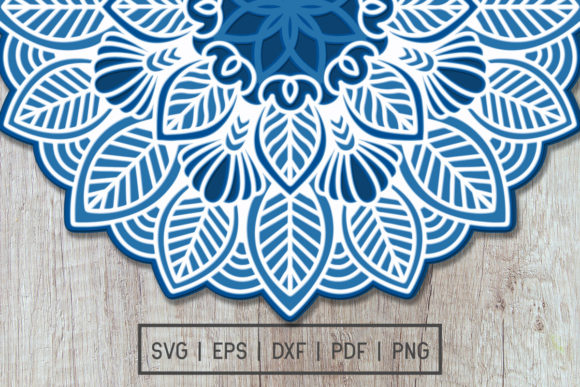
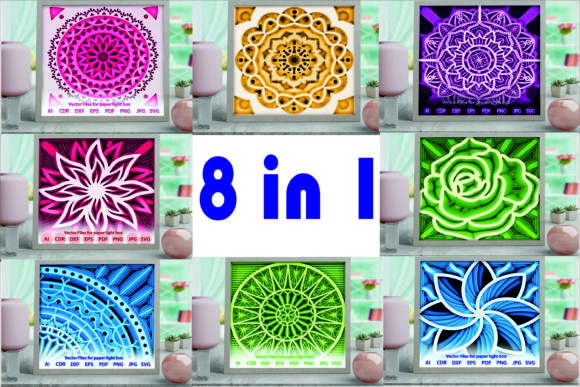
The immediate appeal of the Mandala Light Box Shadowbox lies in its intricate symmetry. Mandalas are often described as keys to dreams, and visually, this design carries that ethereal, calming weight. The layout suggests a radial balance that draws the eye inward, which is crucial for maintaining viewer engagement on a finished product. However, from a technical standpoint, the complexity of the lines raises immediate questions about stitch density and detail retention. A design this detailed can easily become a muddy mess if the digitizer did not account for thread spread, especially when using standard polyester threads on medium-weight cotton.
The visual personality here is versatile. It feels both modern and timeless, making it a strong candidate for boutique branding where aesthetic consistency is key. It does not scream "novelty," which is a significant advantage for Etsy sellers and small shop owners looking to create higher-value items rather than quick-turnover novelty goods.
Real-World Application: From Screen to Stitch
To truly test the viability of this design, I imagined several production scenarios. Let’s consider a custom tote bag design. Tote bags are typically made from canvas or heavy cotton, which provides a stable base for embroidery. The Mandala Light Box Shadowbox would likely shine here, provided the hoop size is sufficient to capture the outer details without distortion. The radial pattern complements the square or rectangular shape of a tote, offering a centered focal point that feels intentional and balanced.
Another practical application is sweatshirt embroidery. Here, the challenge shifts to fabric texture. Fleece and French terry have a pile that can swallow fine details. If this design relies heavily on thin running stitch outlines or delicate satin stitch borders, it might get lost in the fabric nap. In this case, I would recommend using a cut-away stabilizer to provide extra support and potentially simplifying the inner details if the digitizing allows for editing. For a personalized gift like a baby blanket, the softness of the minky or cotton fabric requires careful tension adjustments to prevent puckering, a common issue with dense mandala patterns.
For commercial embroidery projects, such as branded aprons for a café or spa, this design offers a sophisticated alternative to standard logos. It adds an element of artistry that can elevate the perceived value of the uniform. However, one must consider the wear and tear. Aprons are washed frequently. If the thread colors are not colorfast or if the stitch count is excessively high in concentrated areas, the design may degrade faster than the garment itself.
Navigating Technical Constraints and Fabric Choices
While the Mandala Light Box Shadowbox is visually striking, it is not a one-size-fits-all solution. There are specific contexts where this design should be used with extreme caution or avoided entirely.
- Small Hoop Sizes: If you attempt to shrink this design to fit a 4x4 inch hoop, the intricate details will likely merge. The distinction between individual petals or geometric segments may vanish, resulting in a solid blob of thread rather than a recognizable mandala.
- Stretchy Fabrics: Knits and jersey fabrics move under the needle. A complex, symmetrical design like this requires absolute stability. Without proper hooping technique and a high-quality stabilizer, the final image will look warped, breaking the symmetry that defines the mandala aesthetic.
- Dark Fabrics: If the design includes light-colored elements or fine outlines, stitching them on black or navy fabric can be tricky. You may need to use a underlay stitch strategy that builds a foundation, or choose thread colors with high contrast to ensure visibility.
- Curved Surfaces: Embroidering this on a cap or hat is risky. The curved surface distorts the perspective of a flat, radial design. Unless the design was specifically digitized for caps with compensatory pull factors, it may look stretched or uneven on the front panel of a baseball cap.
Enhancing Product Value and Customer Trust
From a business perspective, the quality of your embroidery file directly impacts customer trust. A clean, well-digitized mandala signals professionalism. When a customer receives a handmade product with crisp edges, consistent tension, and no bird-nesting on the back, they are more likely to leave positive reviews and return for future purchases. The Mandala Light Box Shadowbox, if executed well, serves as a powerful tool for brand differentiation. It moves beyond simple text-based personalization into the realm of decorative art, allowing creative entrepreneurs to charge a premium for their craftsmanship.
Furthermore, this design fits seamlessly into the holiday embroidery market. Whether for winter solstice decorations, wedding favors, or birthday gifts, the universal appeal of mandalas makes it a safe yet elegant choice. It appeals to buyers looking for mindfulness, balance, and beauty, aligning well with current trends in wellness and home decor.
Practical Notes for the Embroidery Designer
Before you commit to producing a batch of items using the Mandala Light Box Shadowbox, take these practical steps to ensure success:
- Test on Scrap Fabric: Never skip this step. Use the exact fabric and stabilizer combination you plan to use for the final product. Check for puckering, thread breaks, and registration issues.
- Check Thread Contrast: View your test stitch-out in black and white. If the design loses its definition without color, it relies too much on hue rather than structure. Ensure the fill stitch and outline work together to create depth.
- Verify Licensing: The product description mentions it can be used for home decor and gifts, but always confirm the specific license terms. Can you sell finished items? Can you use it in digital design assets? Clarify this before listing any small shop products online.
- Inspect Small Details: Zoom in on the digital preview. Are there tiny jumps or unnecessary trims? These can increase production time and thread waste. A clean digital embroidery file should be efficient as well as beautiful.
- Consider the End Use: If this is for an embroidered patch, ensure the edges are finished with a dense satin stitch or merrow border to prevent fraying. If it is for a baby embroidery project, ensure all backing materials are soft and non-irritating.
In conclusion, the Mandala Light Box Shadowbox offers a compelling blend of artistic flair and commercial potential. It is not merely a decorative element but a versatile component for custom apparel, home goods, and personalized gifts. By respecting the technical limitations of embroidery machinery and fabric types, designers can leverage this pattern to create standout pieces that resonate with customers. Whether you are a hobbyist refining your skills or an Etsy seller scaling your inventory, treating this design with the attention it deserves will yield rewarding results. Always prioritize quality over speed, and let the intricate beauty of the mandala speak for itself in every stitch.