Review: Valentine 3D SVG Laser-cut Design
As a designer who spends more time staring at stitch simulations than I do sleeping, I have learned to be skeptical of files labeled "3D" or "laser-cut" when they land in my digital folder. Usually, these terms signal overly complex vectors that look fantastic on a screen but turn into a tangled mess under the needle. However, after spending the last week integrating the Valentine 3D SVG Laser-cut 3D into several test projects, I found myself pleasantly surprised. This isn’t just another generic heart clipart; it is a thoughtful piece of Graphics art that bridges the gap between digital precision and tactile craft.
First Impressions and Visual Mood
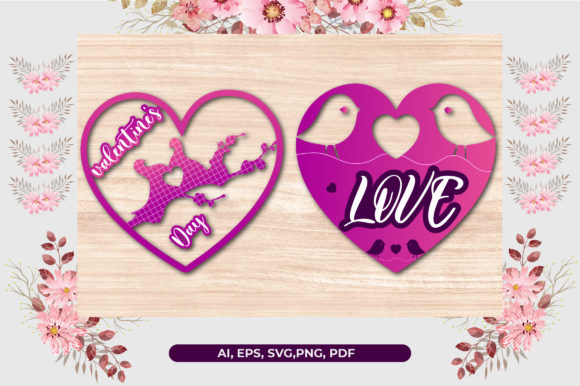
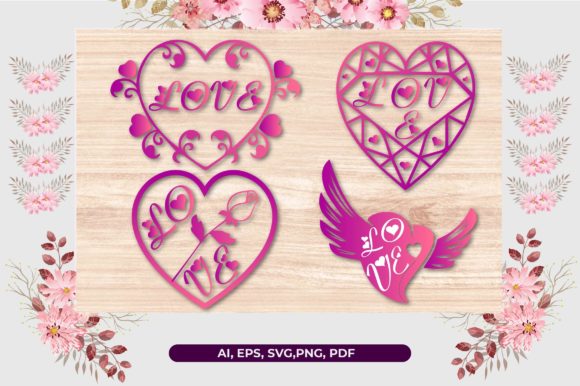
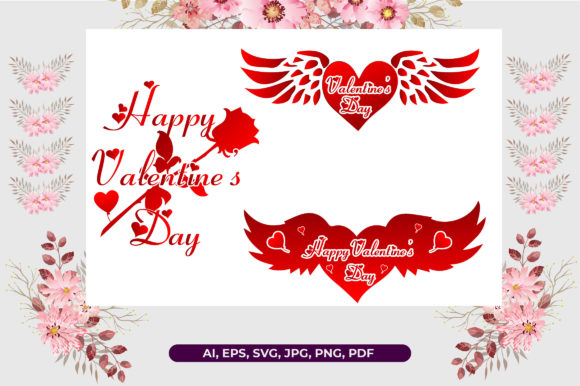
The first thing that strikes you about this design is its structural integrity. In the world of Crafts, we often see Valentine’s Day assets that are either too cutesy or too abstract. This design sits comfortably in the middle, offering a modern, layered aesthetic that implies depth without requiring actual foam backing. The lines are clean, suggesting that the original vector work was done with high-resolution standards—specifically the promised 300 DPI clarity. When I opened the AI and EPS files, the anchor points were logical, which is a rare treat. For an embroidery designer, this means the translation from vector to stitch file is less likely to result in jagged edges or unnecessary node clutter.
The mood is romantic but contemporary. It feels suitable for a boutique brand rather than a discount store bin. If you are an Etsy seller looking to elevate your seasonal offerings, this visual personality fits perfectly with the current trend of minimalist yet textured handmade goods. It doesn’t scream for attention; instead, it invites a closer look, which is exactly what you want in a high-value personalized gift.
Real-World Application: The Tote Bag Test
To truly evaluate a design, you have to stitch it out. I decided to test the Valentine 3D SVG Laser-cut 3D on a heavy canvas tote bag, a staple item for any small shop product line. My goal was to see if the "3D" illusion held up when translated into thread. I used a combination of satin stitch for the borders and a lighter fill stitch for the interior layers to mimic the shadowing effect seen in laser-cut paper crafts.
The result was compelling. On the sturdy fabric, the design maintained its shape beautifully. The layered look created a sense of dimension that flat prints simply cannot achieve. For a craft business, this is a selling point. Customers are increasingly drawn to items that feel substantial and artisanal. A tote bag featuring this design doesn’t just look like a holiday promo; it looks like a curated accessory. I could easily imagine this being part of a limited-edition run for a local coffee shop or a bookstore’s Valentine’s promotion. The clarity of the lines ensured that even from a distance, the motif was recognizable, satisfying the need for immediate visual impact.
Navigating Fabric and Hoop Constraints
While the design performed well on canvas, I must offer some practical caution for other applications. Not every fabric is created equal, and not every hoop size can accommodate intricate layering. When I moved the project to a stretchy jersey knit for a sweatshirt embroidery test, the results required more intervention. The "3D" effect relies on crisp edges. On stretchy fabric, without proper stabilization, those edges can warp, causing the layers to blur together.
If you are planning to use this on custom apparel like t-shirts or baby clothes, your choice of stabilizer is critical. I recommend a cut-away stabilizer for garments that will be washed frequently, as the design’s integrity depends on the fabric remaining taut during stitching. Additionally, pay close attention to stitch density. If your machine tends to pack stitches tightly, you might need to manually adjust the density in your digitizing software to prevent puckering, especially in the overlapping areas of the design.
For those considering this for caps or curved surfaces, proceed with care. The horizontal expanse of the design might require a larger hoop, and the curvature of a cap can distort the perceived symmetry. Always run a test stitch on a scrap piece of the exact fabric you intend to use. This is non-negotiable for professional commercial embroidery work. You cannot afford to ruin a finished garment because you assumed the digital preview would match the physical outcome.
Commercial Viability and Brand Consistency
From a business perspective, the Valentine 3D SVG Laser-cut 3D offers versatility. Because you receive multiple file formats—including SVG, JPG, PNG, and PDF—you are not limited to embroidery. This is a significant advantage for digital product sellers and creative entrepreneurs. You can use the high-resolution PNGs for printable mockup creation, allowing you to showcase your embroidered products on social media before you even stitch a single thread. This capability streamlines your marketing workflow and helps maintain brand consistency across your online presence.
Furthermore, the design’s adaptability makes it suitable for various holiday embroidery projects beyond just Valentine’s Day. With slight adjustments to thread colors, it could work for anniversaries, wedding gifts, or even Galentine’s Day celebrations. For an embroidered patch maker, the clear outlines provide a excellent boundary for merrowed edges, ensuring a professional finish that buyers associate with quality.
Practical Designer Notes
Before you commit to a large production run, keep these technical considerations in mind:
- Check Thread Contrast: The 3D effect relies on visual separation. Ensure your thread colors have enough contrast against the fabric background. Dark threads on dark fabrics will lose the layered detail.
- Verify Licensing: While the product description mentions it is great for growing sales, always confirm the specific commercial license terms provided by the creator. Ensure you are cleared to sell finished items or if the license extends to digital resale.
- Inspect Small Details: Zoom in on the SVG and AI files. Look for any stray nodes or overlapping paths that might confuse your digitizing software. Clean vectors lead to cleaner stitches.
- Test on Dark Fabrics: If you plan to offer this on black or navy garments, consider adding an underlay stitch or a white backing layer to ensure the colors pop and the design doesn’t sink into the fabric texture.
- Hoop Size Confirmation: Measure the design dimensions against your available hoops. Do not assume it will fit standard 4x4 or 5x7 hoops without checking the actual scale in your software.
Final Verdict
The Valentine 3D SVG Laser-cut 3D is a strong addition to any designer’s library. It respects the intelligence of the maker, offering a design that is visually engaging without being unnecessarily difficult to execute. For handmade product creators, it provides a pathway to create higher-perceived-value items that stand out in a saturated market. Whether you are decorating a tote bag design for a local market or creating a baby embroidery piece for a boutique client, this asset delivers on its promise of modern, layered aesthetics. Just remember: the file is only as good as the execution. Take the time to test, stabilize, and refine, and this design will serve your business well.